It’s a new year, and with that come several new ballets to help ring in 2026. Across North America, choreographers are reimagining canonical works, putting their own spins on celebrated texts, and creating exciting neoclassical pieces.
From San Francisco to Alberta and beyond, here are some innovative premieres hitting the stage over the next few weeks.
Petrushka: BalletX
January 8–9, BalletX will present the world premiere of Amy Hall Garner’s Petrushka at Philadelphia’s Perelman Theater. Concluding a sold-out program shared with the Philadelphia Chamber Music Society and ensemble132, Garner’s work is the evening’s only dance offering; ensemble 132 will provide live accompaniment of a new chamber arrangement of Igor Stravinsky’s 1911 Petrushka score. The ballet features costume and set design by Emma Kingsbury and lighting by Christopher Ash.
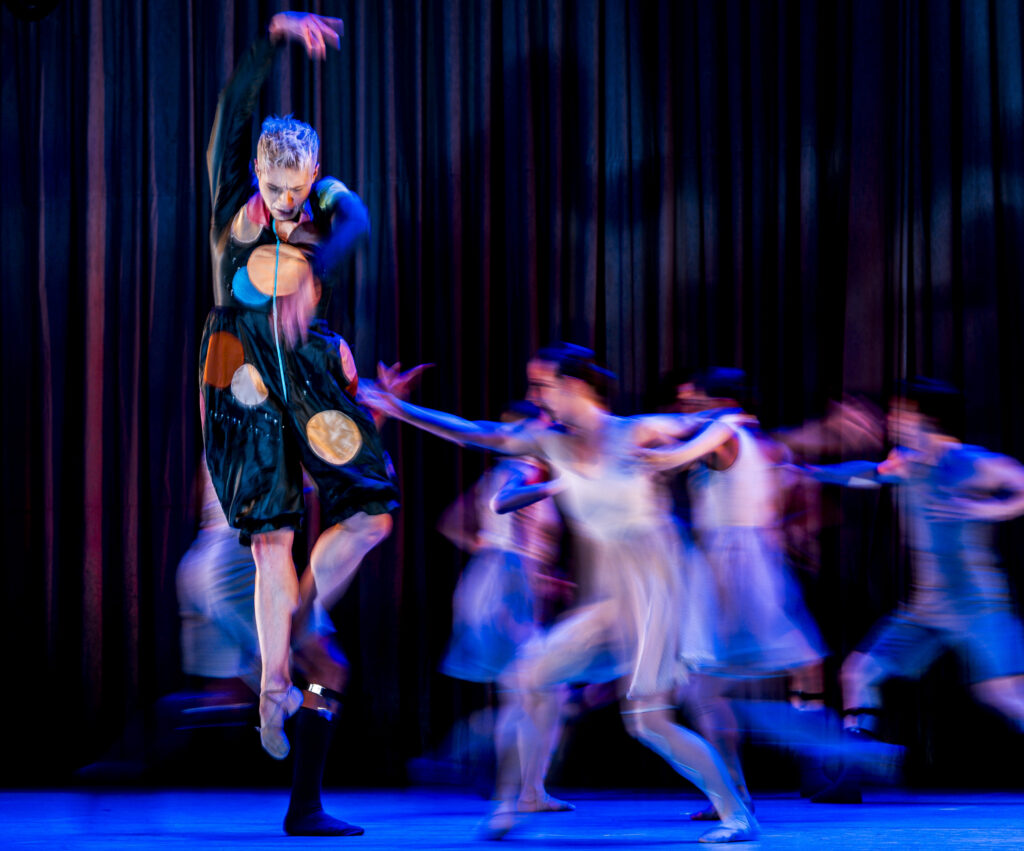
Using a contemporary movement vocabulary, Garner has partnered with theater director Nancy Meckler to reimagine the story, which in this version is set around the time of the Great Depression and centers impoverished members of a traveling show. In a preview interview for BalletX, Garner says that the dancers “morph in and out” between being dolls and humans. She also describes the characters’ desires as “vastly different” from those in Michel Fokine’s original ballet. But Meckler adds that the theme of wanting to be loved remains present in this version, especially through the protagonist, Pete (Petrushka).
A Midsummer Night’s Dream: Ballet Jörgen
Ballet Jörgen of Toronto, Ontario, is putting a Canadian twist on Shakespeare’s A Midsummer Night’s Dream. Choreographed by artistic director and CEO Bengt Jörgen to Felix Mendelssohn’s original score, the ballet is set in northern Canada instead of Athens, with views of the northern lights and native wildlife. It will premiere in Oakville, Ontario, on January 8 before touring across Canada through May 24.

Jörgen has chosen to connect his production to a prominent moment in Canadian history: the 1951 cross-country tour of Princess Elizabeth and the Duke of Edinburgh, which marked Elizabeth’s first official visit to Canada as Princess. Jörgen is maintaining classical choreography in his version, casting 18 dancers. It features a synopsis and stage direction by Heinar Piller, and costumes and sets by Sue LePage. And instead of Bottom being transformed into a donkey, in this version he becomes a Canadian moose.
Eugene Onegin: San Francisco Ballet
Ukrainian choreographer Yuri Possokhov is creating his latest world premiere, Eugene Onegin, for San Francisco Ballet. A co-production with The Joffrey Ballet, the full-length will feature a commissioned score by Ilya Demutsky, with costumes by Tim Yip and sets by Tom Pye. Possokhov has partnered with playwright Valeriy Pecheykin on the libretto, which is based on the 1833 novel in verse by Alexander Pushkin.
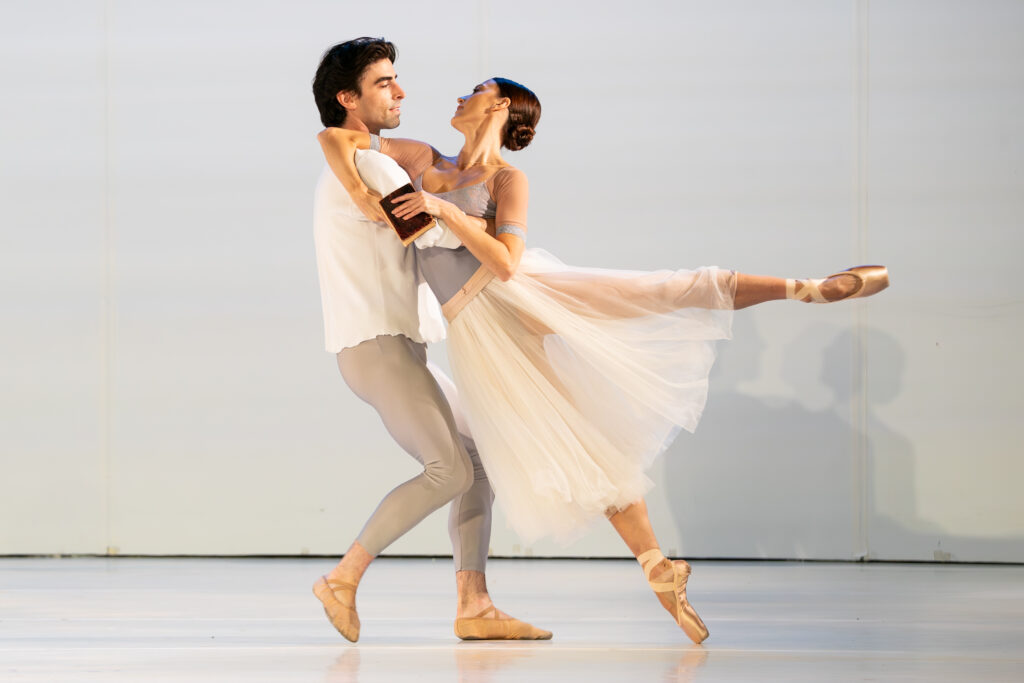
Eugene Onegin is set in early 19th-century tsarist Russia, and it tells the story of a Russian aristocrat who breaks a young woman’s heart—and goes on to regret it. Possokhov’s production runs January 23–February 1 at the War Memorial Opera House in San Francisco. The Joffrey will perform it June 4–14 at Chicago’s Lyric Opera House.
New Peck, New Ratmansky: New York City Ballet
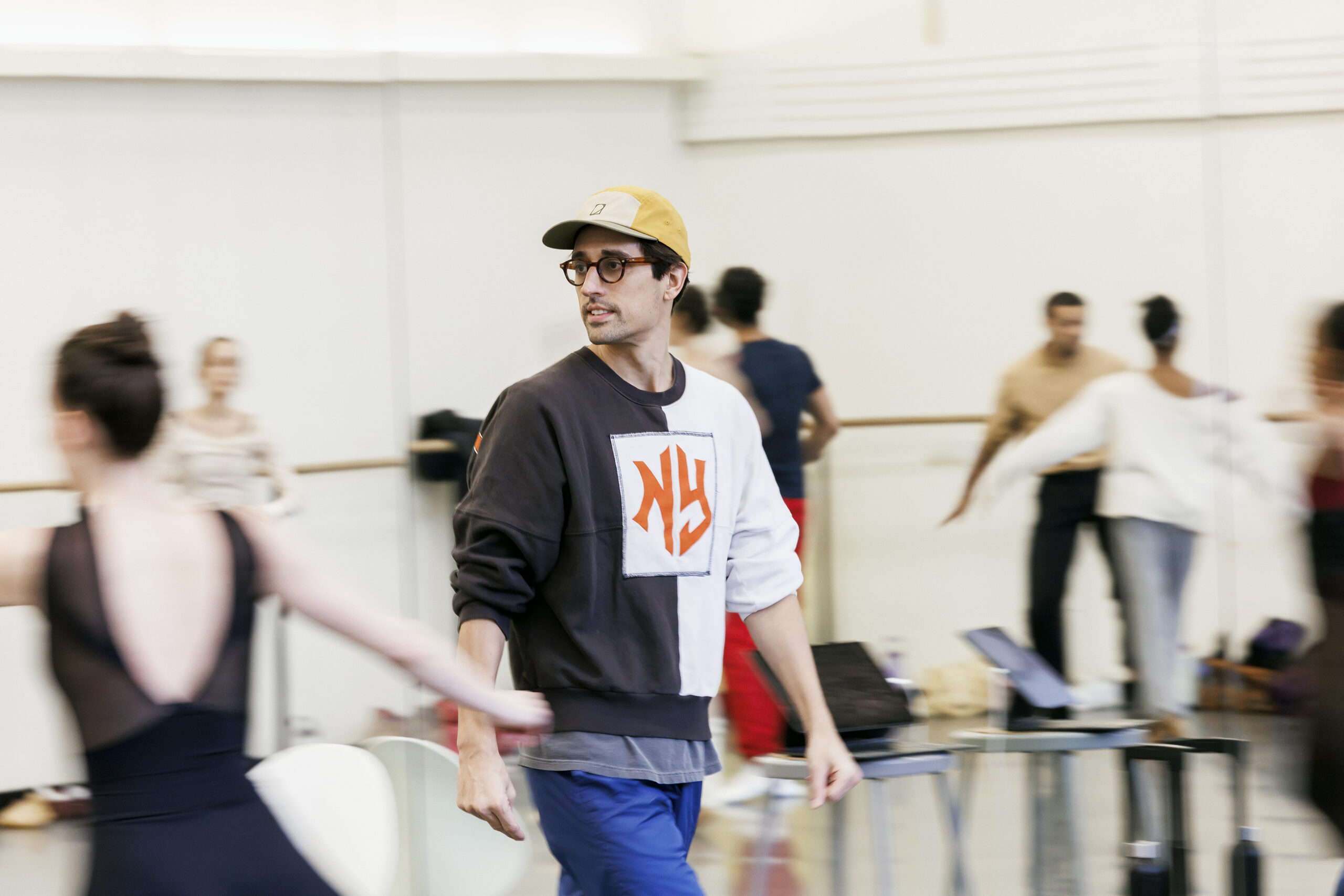
Each year, New York City Ballet celebrates George Balanchine’s birthday, January 22, with a world premiere in its Winter New Combinations program. For 2026, a new ballet by resident choreographer and artistic advisor Justin Peck features a cast of six dancers set to the first movement of Beethoven’s Eroica symphony. New Combinations opens January 29 and runs several days through February 7, and Peck’s premiere shares the program with Balanchine’s Walpurgisnacht Ballet, an excerpt from August Bournonville’s Flower Festival in Genzano, and Jerome Robbins’ Opus 19/The Dreamer.
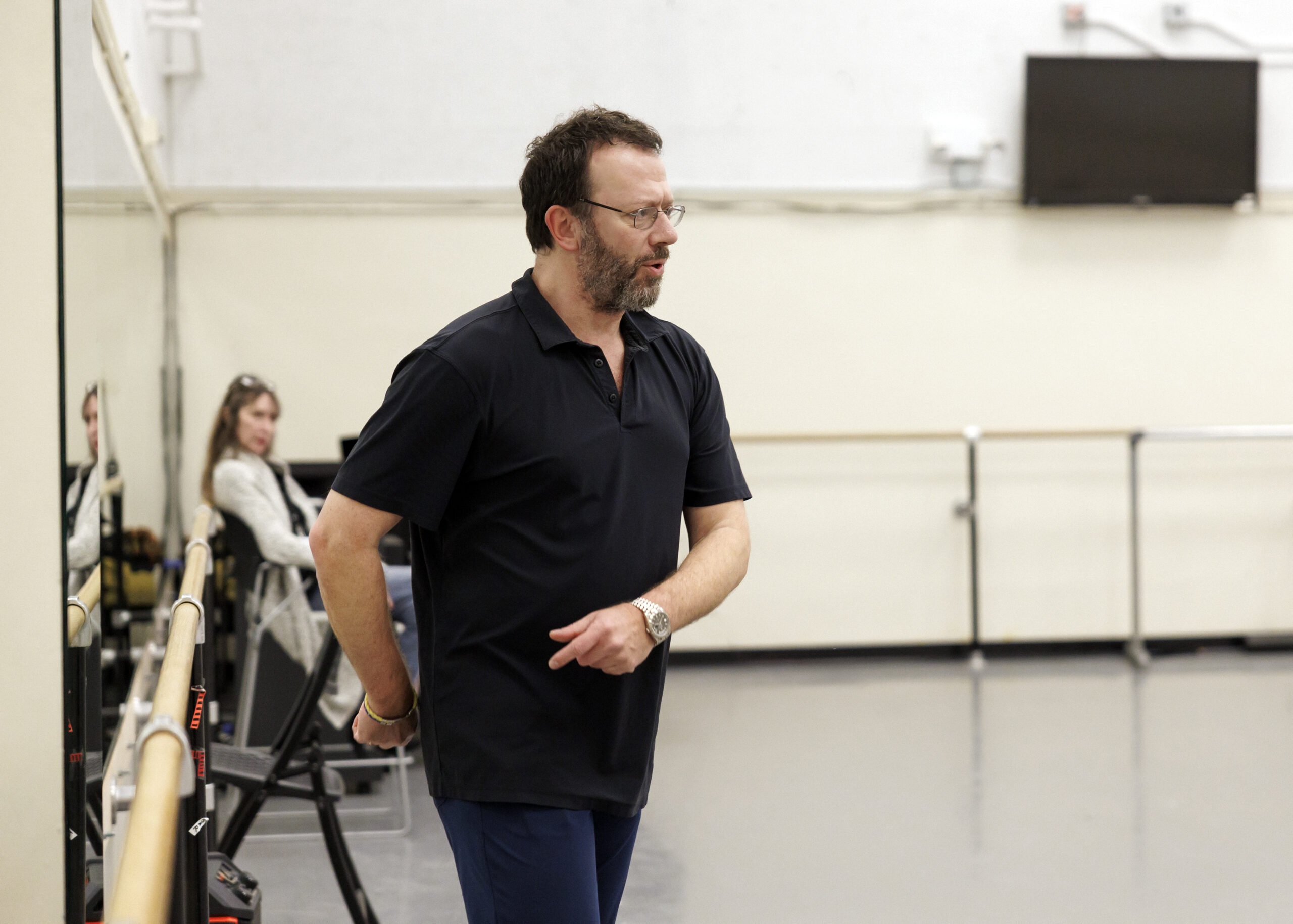
NYCB’s Contemporary Choreography II program, which follows shortly afterward (February 5–8, 24–25), includes a world premiere by artist in residence Alexei Ratmansky. His new work is set to Jean Françaix’s “Le Roi Nu” (The Naked King), which originally accompanied a fairy-tale ballet based on Hans Christian Andersen’s “The Emperor’s New Clothes.” Ratmansky’s piece will appear alongside Peck’s Dig the Say and Everywhere We Go, as well as Gianna Reisen’s Signs.
Swan Lake: A Sculptor’s Oath: Canyon Concert Ballet
In Swan Lake: A Sculptor’s Oath, Canyon Concert Ballet artistic director Michael Pappalardo uses neoclassical choreography with minimal pantomime to reimagine the classic ballet. In this iteration, Prince Siegfried is a sculptor who is obsessed with perfection, and Benno (Siegfried’s closest friend) is actually the evil sorcerer Rothbart in disguise. Rothbart, who desires the throne for himself, curses one of Siegfried’s most ambitious sculptures, transforming it into a woman—Odette—with whom Siegfried falls in love. Odette and her fellow swans appear as humans by night and swans by day, slowly hardening to stone as the curse intensifies. In the end, Siegfried must grapple with his urge to immortalize beauty to save Odette.
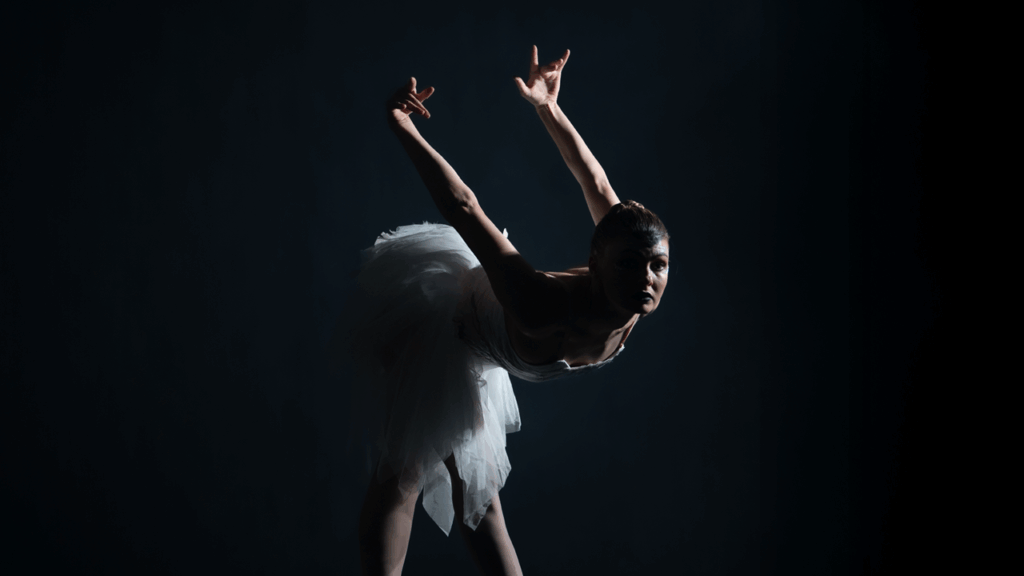
“This version interrogates the act of creation itself: what it means to love something you idealize, and the cost of mistaking perfection for truth,” Pappalardo writes in a program description. Swan Lake: A Sculptor’s Oath runs January 30–February 1 at The Lincoln Center Performance Hall in Fort Collins, Colorado.
The post New Year, New Ballets for January 2026 appeared first on Pointe Magazine.