BalletMet dancer Grace-Anne Powers remembers her excitement when she learned that choreographer Jennifer Archibald was coming to set a new work. But during Archibald’s full-company casting call, Powers felt suddenly wracked with nerves. “I completely lost my focus,” she remembers. “I really wanted to work with Jennifer, but I was so self-critical that when I missed one detail of the movement, I went blank.” Archibald didn’t seem to mind, casting her in a central role anyway. For Powers, the experience helped her realize that she didn’t need to be instantly perfect. “You want to demonstrate quickly that you can pick up their material, but showing the qualities you have to offer and who you are as a person creatively is important too.”
Auditioning for visiting choreographers or répétiteurs carries a particular kind of stress. Being seen by fresh, outside eyes could potentially lead to new opportunities at your company, but the pressure to grasp a work’s intention and quickly pick up a new movement style can be intense and overwhelming. Casting decisions often need to be made quickly, so how can you make a great impression right off the bat—even if you feel out of your element?
Mental Barriers
When auditioning for a stager or dancemaker, you may feel pressure to execute the choreography flawlessly. That can turn into a fear of trying, especially when under scrutiny. But choreographer Trey McIntyre, who stages his ballets on companies around the world, says he wants to see dancers’ bravery. “I know there’s a lot of specificity in my movement and it’s not going to feel natural right away,” he says. “I’ve seen dancers who may have been a great choice for my ballet, but their unwillingness to look bad or to not have immediate mastery counted them out. Because with only a short amount of time, I’m looking for people who are willing to try and who are going to show up.”
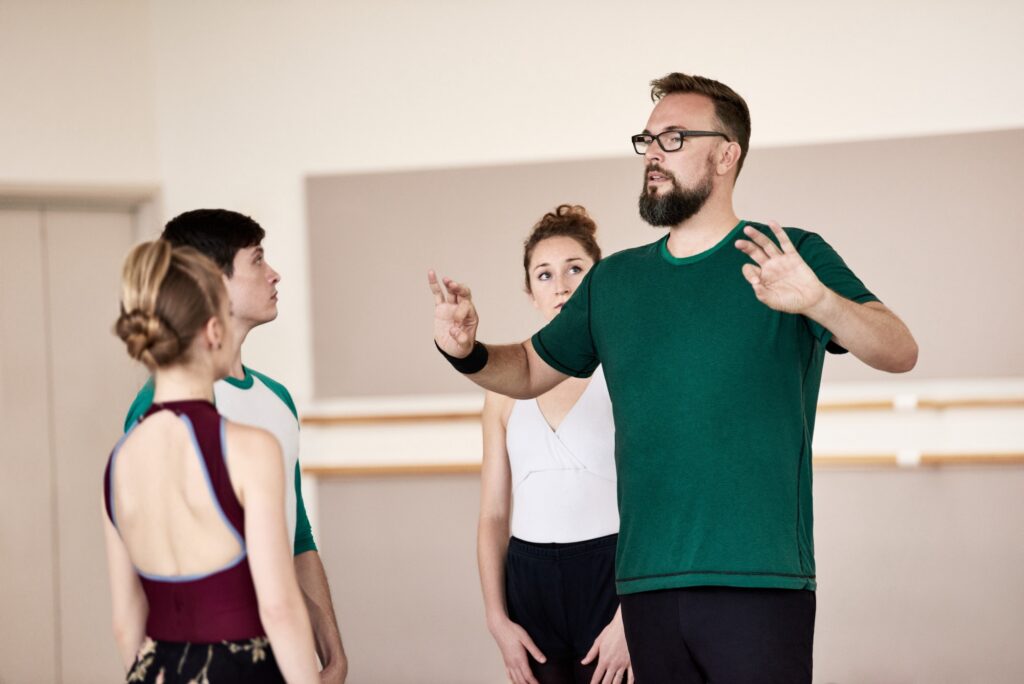
Making a whole-hearted effort, even when the style isn’t your strong suit, can be revelatory, says New York City Ballet repertory director Craig Hall, who is also a répétiteur for choreographer Justin Peck. “There are dancers who may feel anxious about a certain piece because they think it’s ‘not my thing,’ ” he says. “They put themselves into boxes that way. But I’ve been blown away by some dancers who pegged themselves as strictly classical, but have completely flipped the script.”
Hall adds that while he does consult artistic staff on casting choices, he ultimately trusts his own instincts. “I’ve definitely given ‘big break’ moments,” he says, “if I’m drawn to a dancer for a certain spark, something I can’t put into words.”
Be Prepared and Step Forward
Powers developed strategies to help her feel more in control when she sees a casting audition on the schedule. “Beforehand, I look up the choreographer or the piece they’re setting on us to see what sort of movement language they have, so I’m not walking into the studio completely unaware,” she says. “A little research helps me feel more grounded.”
Shedding self-consciousness also helps her more quickly absorb unexpected choreography. “You have to remind yourself to just dance, connect with the process, and get out of your head,” she says. “Negative emotions block your ability to be creative or grasp the details that are being thrown at you.”
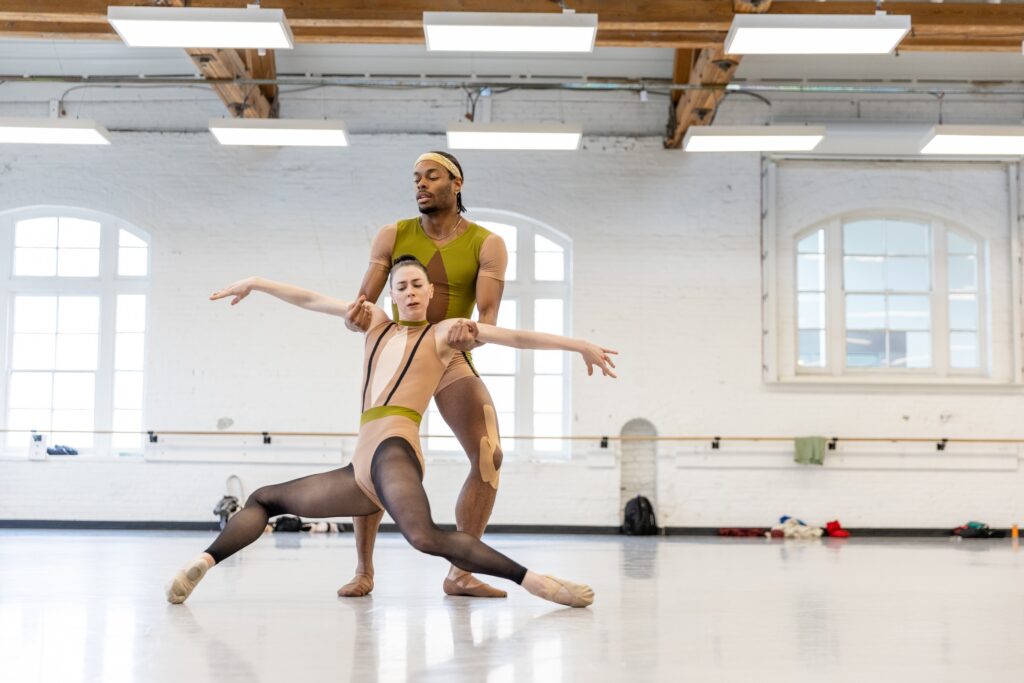
If you tend to get flustered when picking up new material, Powers recommends positioning yourself near the choreographer, if possible. “I learn better in the front of the room, where I can lock into the musicality and dynamics and see how the movements connect,” she says.
Be mindful of what your body language might be communicating, too. “I can see when someone’s timid,” says Hall. “They may be a little slow to take a place in the studio or easily let others go ahead of them. I love dancers that present themselves like, ‘I’m ready to learn this combination.’ ”
McIntyre agrees. “If you don’t have the bravery to step forward, you won’t be noticed. That doesn’t mean being rude or ignoring company hierarchy, but it’s a way of communicating energetically, ‘Hey, I’m here and I’m willing.’ That’s the biggest part of it.”
No Time to Waste
Keep in mind that visiting artists are likely feeling pressure too. They often only have a few weeks to create or stage a work and need to make fast casting decisions. They may not have time to gamble on a dancer who holds back, even in company class.

“We all fall out of things, but if someone can’t seem to pull themself back together, I think they’ll likely take more time to adapt to Justin’s choreography,” says Hall about casting Peck’s work. “And time is not on our side. So when I see dancers who go for it, I know that once I give them the specific counts and intention, they’ll be ready to tell me a story.”
Why It Matters
Even though the outcome of the audition won’t cost you a job, all three artists advise against playing it safe. “If you’re not open to being uncomfortable and out of your element, you’ll just be stuck where you are,” says Powers. “Our career is so finite; it’s sad if you don’t give yourself the opportunity to grow.”
“No one expects a dancer to be a superhero in the studio,” McIntyre says. “Just try to garner as much information as you can. Investing yourself creatively, being eager and present are more important.”
The post When Auditioning for Choreographers and Répétiteurs, Bravery Beats Perfection appeared first on Pointe Magazine.