On a typical day, I spend hours in the studio refining and rehearsing, perfecting each step into an orchestrated whole. Then I head to an economics lecture at the University of California, Los Angeles, where I’m studying incentives, markets, and compound growth. At first, ballet and economics appear to have little in common. For a long time, my life as a professional dancer with American Contemporary Ballet felt completely separate from my undergraduate academic pursuits in economics, until I realized both disciplines require similar thinking. The more I learned about finance, investing, and economic theory, the more I began to see parallels with my life in the studio. Ballet had already taught me the skills of discipline, risk, awareness, and endurance; studying economics simply gave me a new place to apply it.
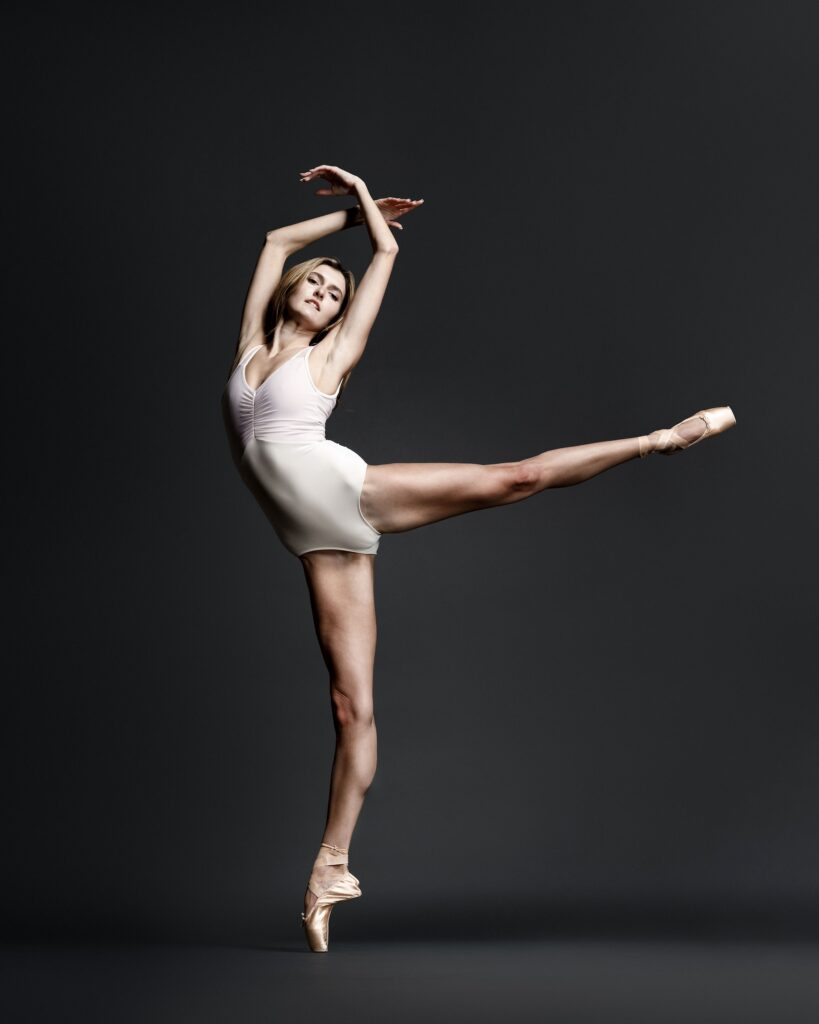
Many dancers struggle with financial literacy because it can feel disconnected from an artistic career. We enter and exit the profession at a young age, often without a clear understanding of how to manage money, make financial decisions, or plan for what comes next. Topics like investing, saving, and understanding the economy can seem irrelevant compared to the immediate demands of training, rehearsing, and performing. What’s more, most dancers aren’t working corporate jobs with full benefits—many are freelancing, teaching, or living on small stipends.
But the principles of financial stability don’t require a large salary. They begin with small habits practiced consistently over time. In fact, the skills dancers develop in the studio are exactly the skills needed to navigate finance. In many ways, dancers are already practicing the mindset behind economic decision-making and investing, they just don’t realize it.
Here are five principles dancers already live by in the studio, and how they can guide your approach to finance:
1. A Protected Foundation Is a Strong Foundation
Dancers protect their bodies with stretching, cross-training, and working with physical therapists. Similarly, finance requires awareness of and mitigation of risks. Without planning, one injury—or one bad stock-market downturn—can derail long-term progress.
Tip: Apply risk awareness to your finances by building a cash emergency fund. Gradually aim to save a few months of living expenses so that if you’re injured or between contracts, you have financial breathing room.
2. Small Steps = Big Gains
In ballet, progress happens through small improvements every day: repeating barre exercises, refining technique, and trusting that those incremental gains add up over years. Investing works the same way: small, regular contributions compound (or earn interest) over time.
Tip: Take the principle of compounding beyond the studio. Open a Roth IRA and contribute even a small amount ($25 to $50) toward retirement savings each month. The most important step is starting early and contributing consistently.
3. Persistence Pays Off
Ballet requires perseverance. A tough rehearsal, difficult audition, or disappointing performance do not define your level of success—they’re all part of a long-term trajectory. Investing requires the same disciplined mindset: markets fluctuate and investments dip, but persistence pays off.
Tip: Stick to your financial plan even when money feels tight or unpredictable. Just as you trust your technique in a performance, trust your long–term strategy and avoid making impulsive financial decisions.
4. Diversification Is Good
Dancers know their careers can change quickly; injuries happen, contracts end, and priorities change. Because of that, dancers rarely follow a single, predictable path. Many teach during the off-season, choreograph small projects, pursue academic studies, or develop other skills alongside performing. Financially, the same principle of diversification applies: relying on one source of income or one path of savings can be risky; building multiple streams of stability and diversifying portfolios creates resilience over time.
Tip: Diversifying your finances means developing more than one source of income: teaching a weekly class, coaching private lessons, freelancing, or building another skill outside the studio.

5. Big Gains Take Time
A dancer’s growth is measured over years of consistent training, not a single rehearsal or performance. Artists put in the work every day with long-term results in mind. Investing requires the same mindset: steady, informed decisions over time outweigh short-term fluctuations.
Tip: When you’re able to invest, focus on simple, low-maintenance, low-cost options that spread money across many companies (like an exchange-traded fund or a mutual fund), and invest over a long time. Just as dancers progress through consistent practice and patience, investors succeed by thinking long-term, not by chasing the perfect moment to buy or sell.
In both the studio and the market, the formula for success comes from discipline, patience, and the courage to act intentionally every day. By carrying the lessons we learn in the studio into our financial planning, we don’t just build stability—we create the freedom to pursue opportunities, take creative risks, and shape a future on our own terms.
Taylor Berwick is a dancer with American Contemporary Ballet and an economics major at UCLA. The information provided in this article is not intended as professional financial-planning advice.
The post 5 Lessons I Learned in Ballet That Can Also Apply to Financial Planning appeared first on Pointe Magazine.