This Women’s History Month, we’re thinking about all of those in the ballet industry who have not only helped lay the groundwork for our art form, but have actively supported the next generation as teachers, role models, and friends. To celebrate, we asked dance artists and leaders to talk about the influential women who have inspired and shaped them into the people they are today.
Patricia McBride
Angelica Generosa, principal dancer, Pacific Northwest Ballet
I went to the Chautauqua Institution’s School of Dance for three summers. It was here where I met former New York City Ballet principal Patricia McBride. At age 14, I was just having fun with ballet, but she spotted me and saw something I didn’t. Since then she has supported my talent, and she is still my mentor to this day.
Patricia taught me Stars and Stripes my first summer at Chautauqua, which led to a big opportunity the following year at School of American Ballet, when I got to do it for the Workshop Performance. I wasn’t supposed to be in the Workshop at all—I was too young. But a teacher there, Susan Pilarre, called Patricia; Susie really needed a lead for Stars and Stripes and knew she had worked with [an SAB student] the previous summer. Patricia told her I’d do a great job. That kickstarted everything for me. Every time I went back to Chautauqua, she’d teach me a lot of the roles she danced, like Tarantella and Western Symphony. I didn’t realize how lucky I was, that I was working with a legend who was taking the time and space to cultivate my career!
-
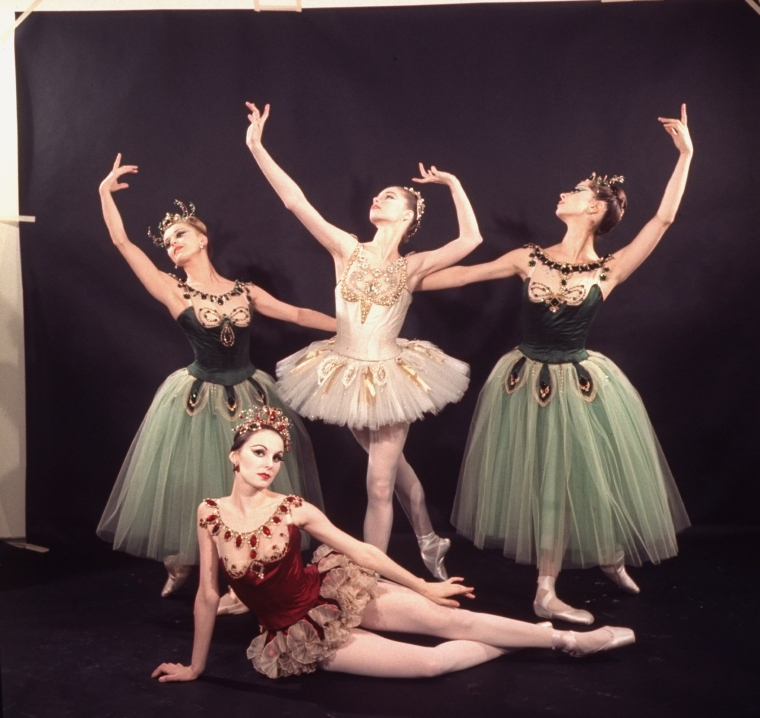
Patricia McBride (seated) with Violette Verdy, Suzanne Farrell, and Mimi Paul in George Balanchine’s Jewels for New York City Ballet, circa 1967. Photo courtesy NYPL. -
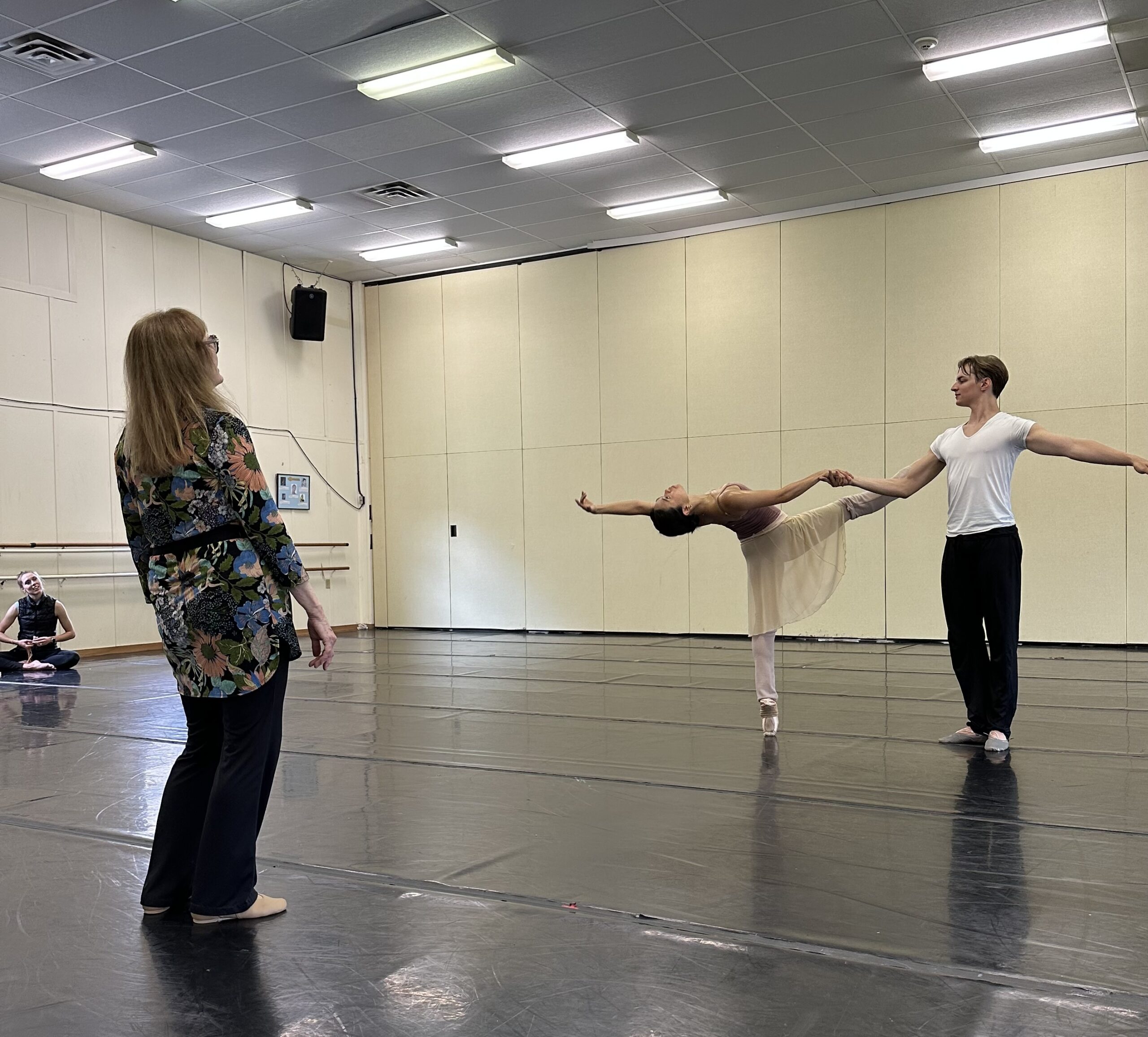
Patricia McBride rehearses Pacific Northwest Ballet principals Angelica Generosa and Dylan Wald. Photo courtesy Generosa. -
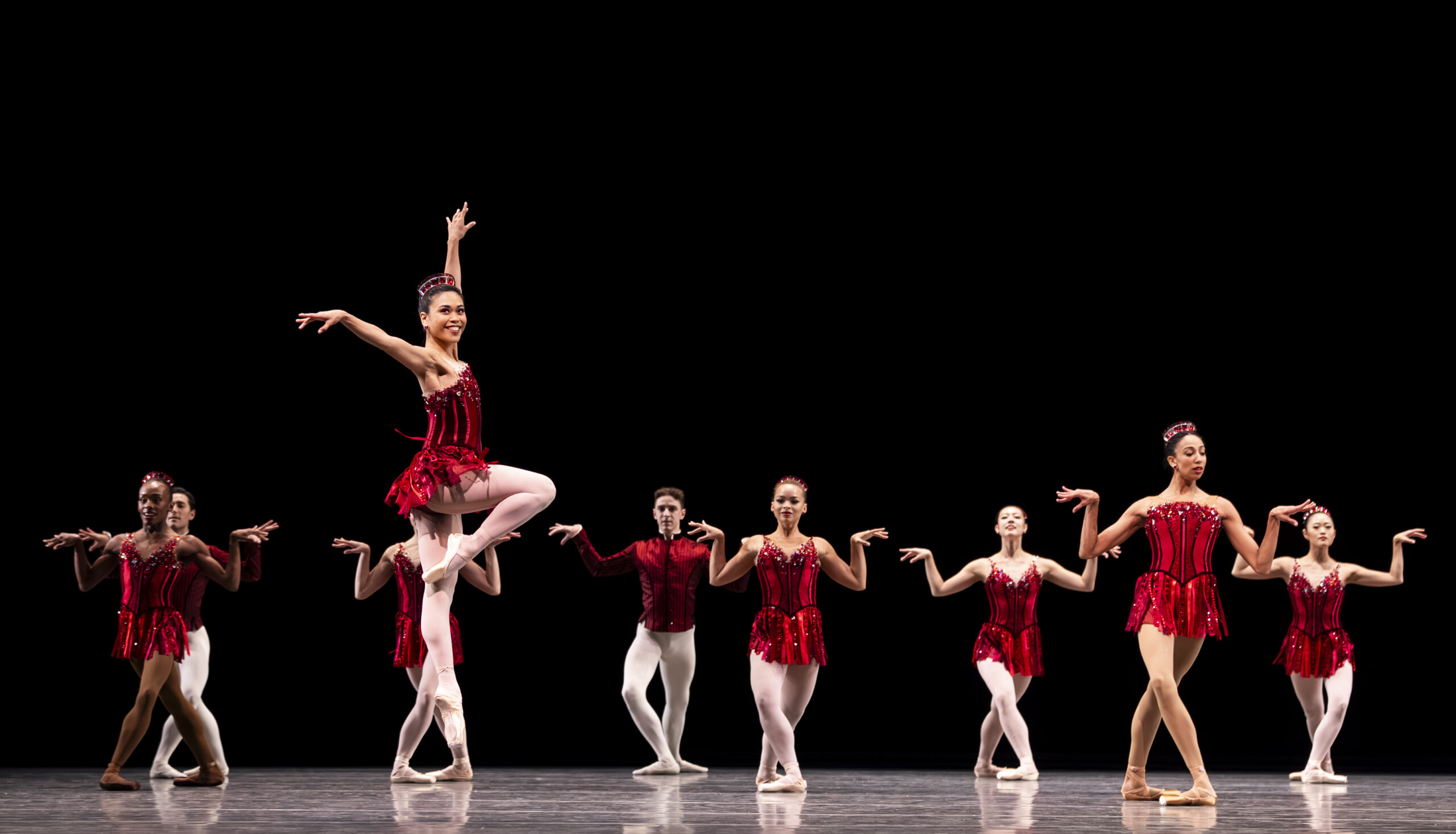
Generosa (jumping) with artists of Pacific Northwest Ballet in Balanchine’s “Rubies.” Photo by Angela Sterling, courtesy PNB.
I am also really inspired by Patricia’s kindness and humility. She came from such an iconic era of Balanchine ballerinas, and she is one of the sweetest, nicest human beings. I aspire to be like that, especially at this point in my career. Even now, she’s cultivating and guiding young dancers, scouting little stars who hope to one day be big stars.
I text her from time to time—we just did “Rubies” at PNB, and I asked for her help, like “What were you thinking about here?” I send her photos and little video clips. Patricia has always been there for me and has coached me to really be the ballerina that I am now.
Jodi Melnick
Sara Mearns, principal dancer, New York City Ballet
I met choreographer Jodi Melnick in 2014. We were part of Danspace Project’s Platform 2015, put together by dance critic Claudia La Rocco. We were in the same [collaborative] group, and so we shared an evening together. Jodi got me to get outside of my ballerina bubble; she had me do things I’d never done before. I knew immediately that this was somebody I needed to have in my life and to keep working with. And we haven’t stopped—we’ve done so many things together since then.
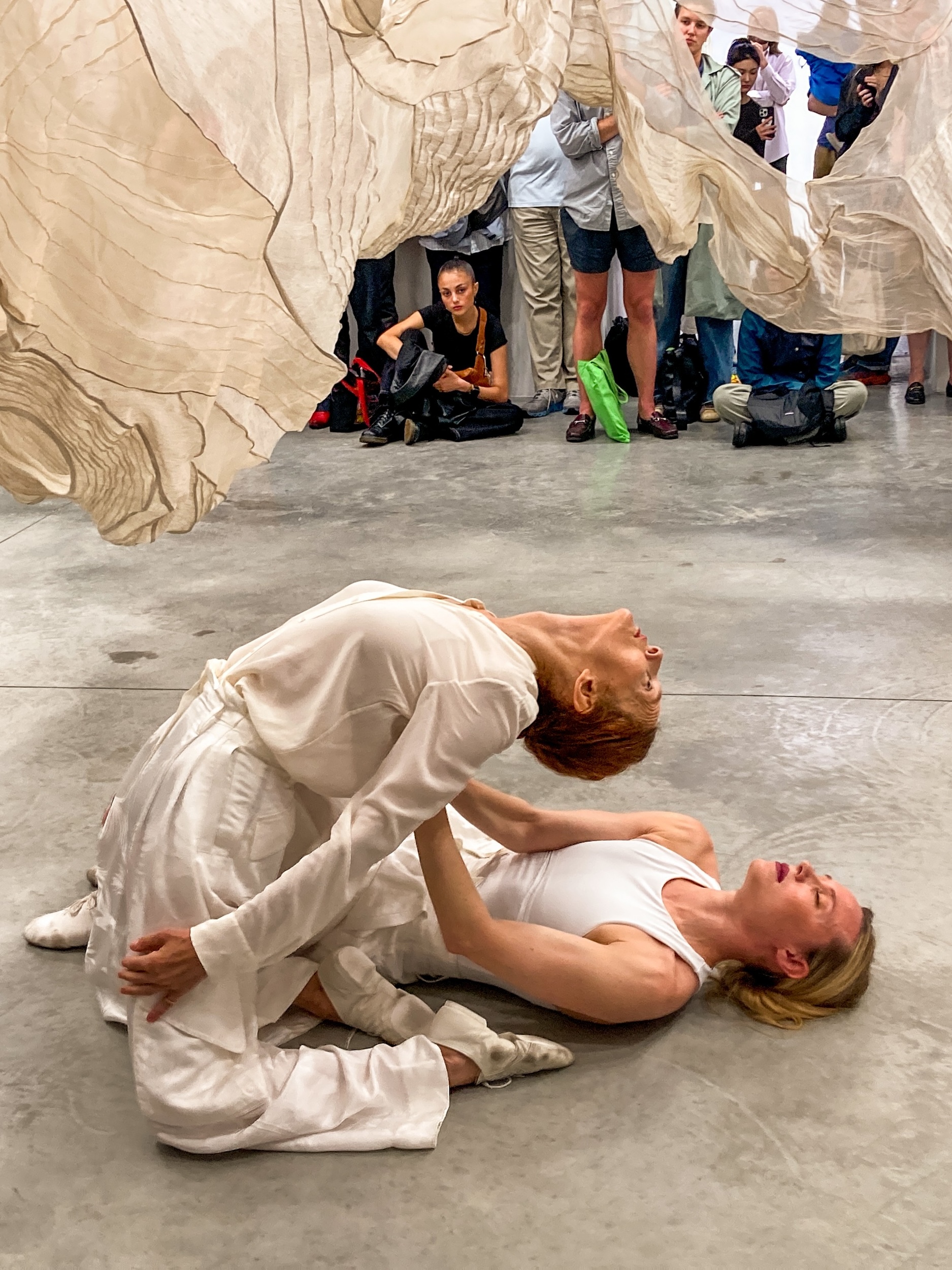
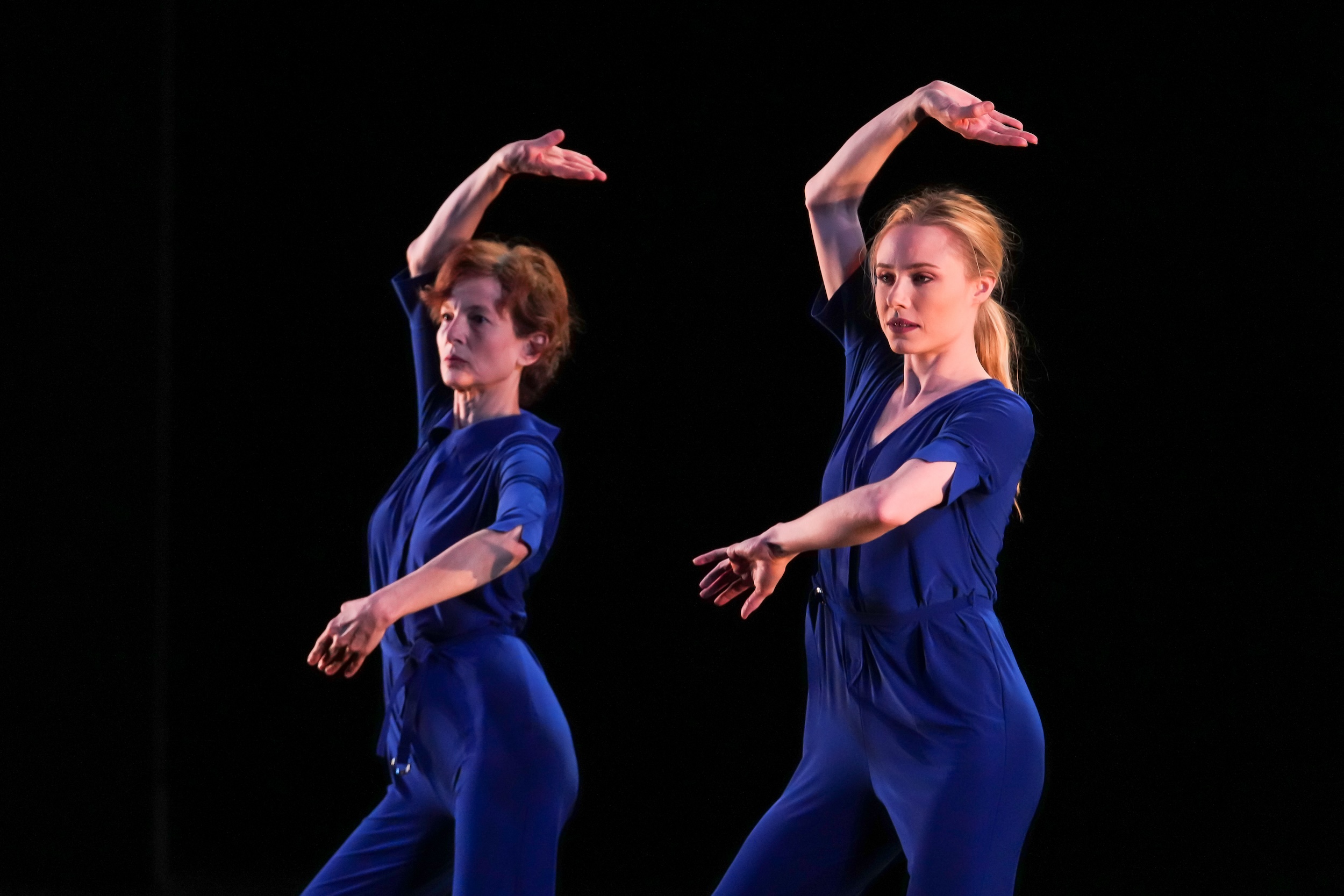
Jodi danced with Mikhail Baryshnikov, Twyla Tharp, Trisha Brown. She was very close to and was influenced by Sara Rudner, who danced for Twyla. So she’s from a time that was so empowered by female dancers and choreographers. And that’s very opposite for me—ballet is still dominated by male choreographers. Jodi is really the first female choreographer that I had a relationship with. She’s empowered me as a woman, even just walking out onstage, that I don’t have to be more than I am. I don’t have to be bigger than I am. I don’t have to comment on what I am. And she’s taught me how to be more comfortable in my own skin onstage, as a person, and as a collaborator in the studio. She’s really influenced how I enter a creative process and how to be fully honest and open, without any masks on. That helps me in my ballet career on a daily basis. Jodi inspires me to try new things, and she’s always there for me.
Virginia Johnson
Claudia Schreier, choreographer
Virginia Johnson has been a quiet but fierce advocate for advancing the art form, and for developing young choreographic voices, specifically. She’s been a solid undercurrent in my professional life for longer than I can fully appreciate. Having benefited from her advocacy and support over several years, I’ve seen how her influence on my life has also been applied to the other contexts in which she’s worked.
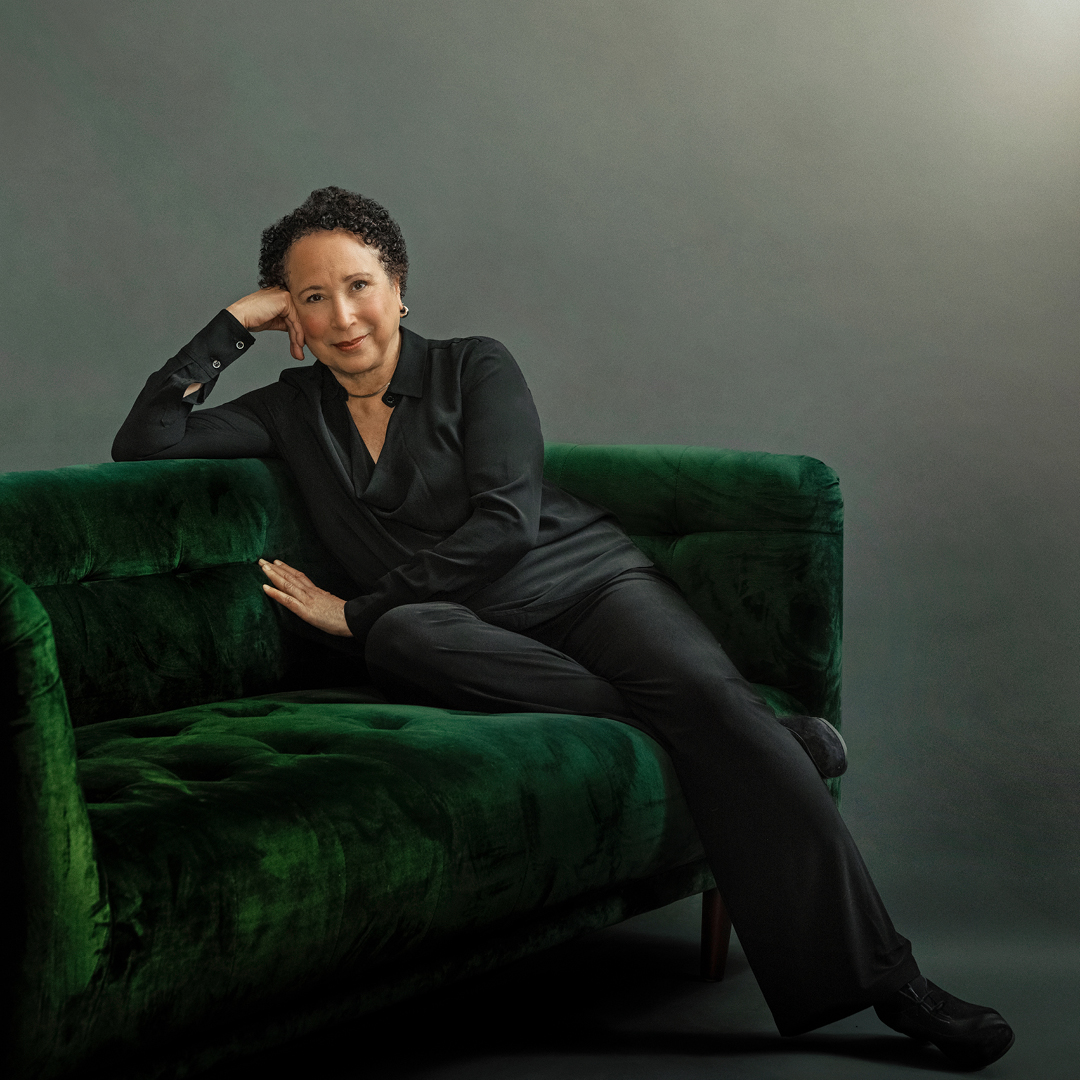
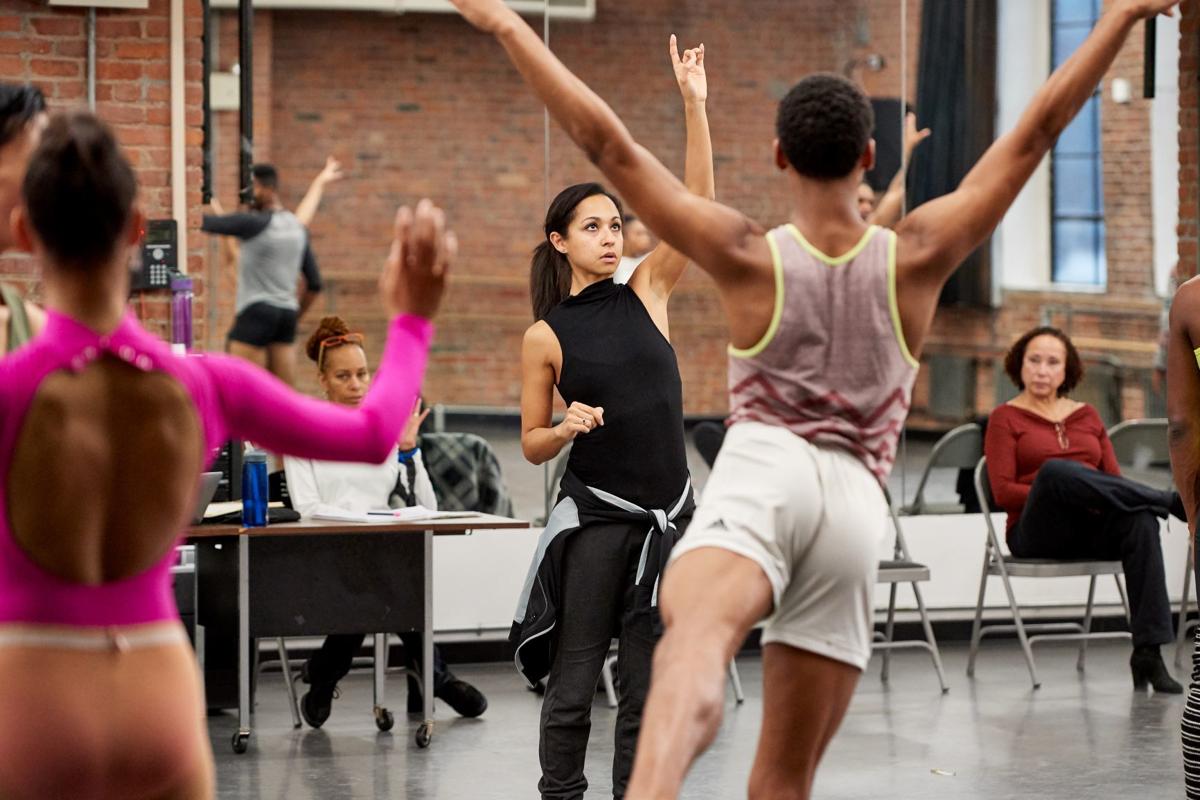
When Damian Woetzel first commissioned me to choreograph for the Vail Dance Festival in 2016, Dance Theatre of Harlem was in residence there at the same time. After my ballet premiered, she stood up, opened her arms wide to me, and said “Claudia, let’s talk.” Her warmth and openness underlined so much about what she stood for. I’ve always clung to that moment, because it set off so many other conversations and creative developments. It ultimately led to the creation of my 2019 ballet Passage, one of my first major commissions, which DTH performed at New York City Center and the Kennedy Center. I’ve taken a lot away from having created that ballet, and it’s influenced a lot of other things I’ve done over the years.
Also, with the way the dance world works, you just know that there are conversations happening behind you, above you, around you that open new doors. I have no doubt that Virginia’s advocacy for me with other artistic directors, particularly those of female-led companies, has led to other opportunities. And then observing her as a leader in the arts, from persevering through the segregation of the South in her early years to revitalizing DTH—there’s just so much about her that I find incredibly inspirational. Her work is more understated, and there’s something to be said for that, especially speaking from the female perspective. Because the world, especially in male-dominated fields, often operates with a lot of brawn and volume. And I think people would be really surprised to learn how much moves through these quiet undercurrents. I’ve certainly been the beneficiary of that, and I hope to be that for others going forward.
Maina Gielgud
Kathleen Breen Combes, artistic and executive director, Ballet RI
For Women’s History Month, I honor Maina Gielgud, a woman who profoundly shaped my life in dance. She coached me at pivotal moments in my career, and she was tough, exacting, and deeply loving. She demanded honesty in the studio and in oneself, offering clear feedback that built not just my technique, but my confidence. She pushed me further than I believed I could go, always in service of the art.
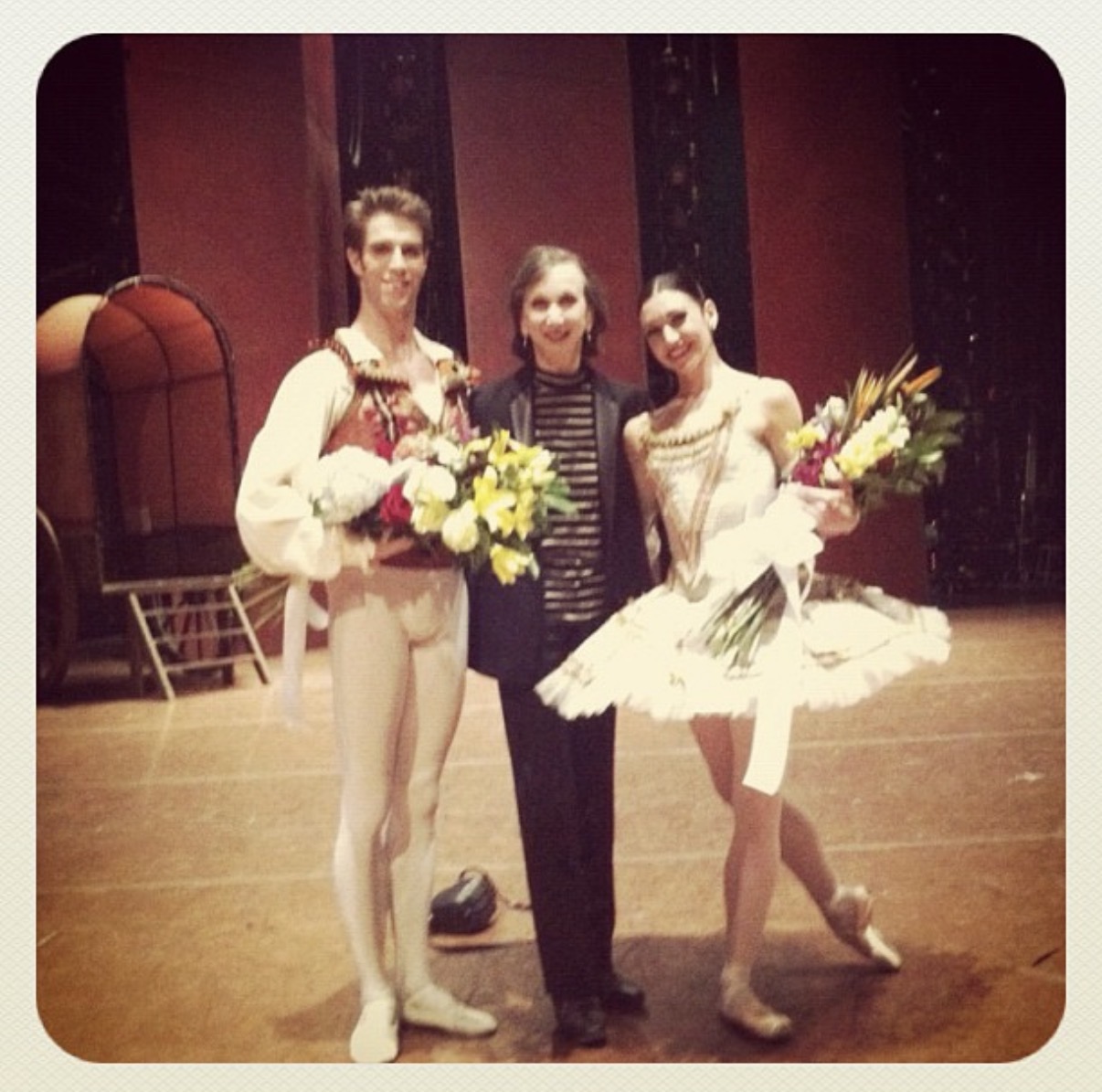
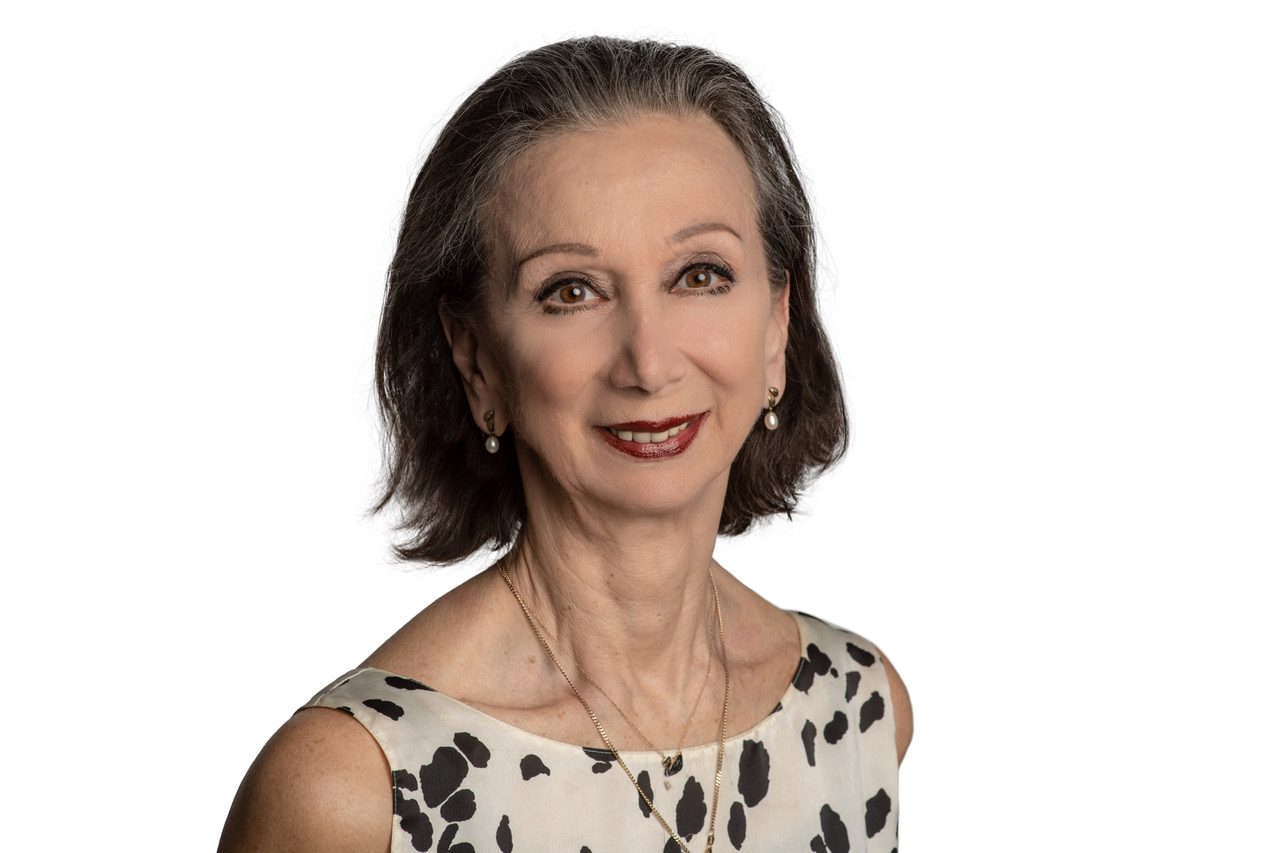
What sets her apart is her insistence that ballet is more than steps. She brings artistry, characterization, musicality, and intention to the forefront. She asks: “Why are we doing this step? What does it mean?” I vividly remember working on the mad scene from Giselle with her in [Boston Ballet’s] dancers’ lounge on a quiet Sunday, dissecting every gesture and breath, aligning the movements with music and dramatic intentions. Working with Maina is total immersion; you don’t just rehearse—you inhabit the ballet.
Although I did not have the opportunity to watch her lead a company firsthand, I knew she had done so [with The Australian Ballet and Royal Danish Ballet] at a time when female artistic directors were rare. That knowledge alone expanded my sense of what was possible and inspired me to imagine myself not only as an artist but as a leader. After I retired, she has remained a mentor and stager, extraordinarily generous with her time and knowledge. She loves this art form, and the people who dedicate their lives to it, with rare devotion. Her influence continues to guide me, and, through me, the dancers I now lead.
The post 4 Women in Dance, Paid Tribute by 4 Ballet Artists They Inspired appeared first on Pointe Magazine.