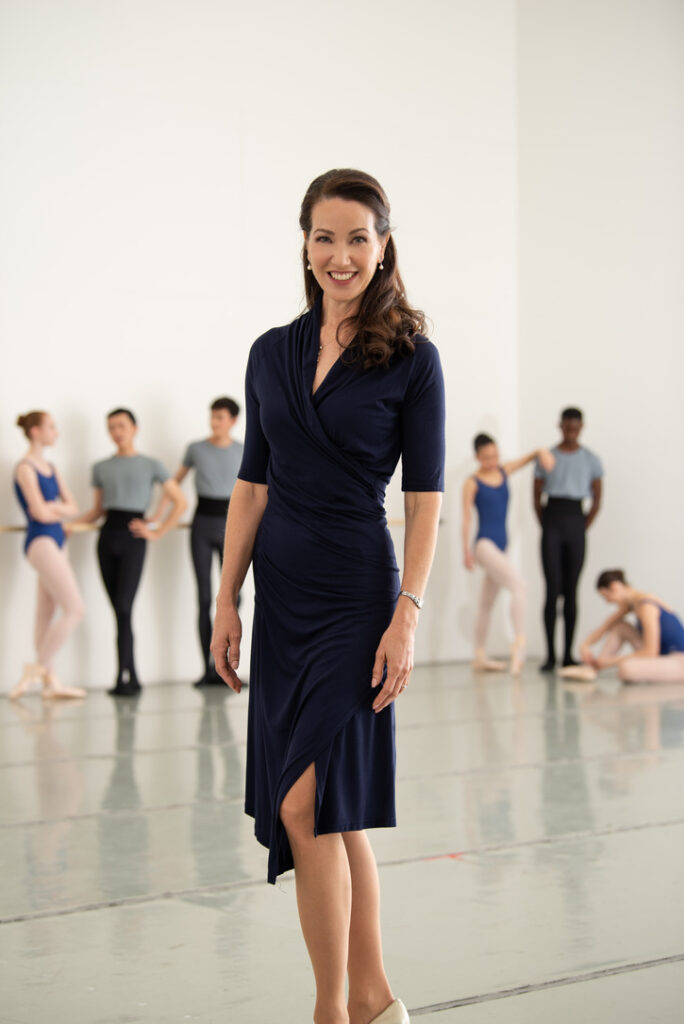
When people hear the word “concussion,” they may picture a football player or mixed martial artist. But sport isn’t the only high-contact activity that can result in head injury—dancing can lead to concussions too. High-contact partnering, daring lifts, and tricky choreography put artists at risk for collisions and falls. “Dance is an increasingly athletic art,” says Dr. Elizabeth Hutter, school principal of New Ballet in San Jose, California, and president of the American Psychological Association Section on Performance Psychology. “Choreography and partnering are not getting easier.”
Dancers face a unique set of challenges when dealing with concussions. While professional sports organizations like the NFL and NBA have strict concussion-management protocols, most ballet companies lack even basic procedures. “Professional companies and pre-professional training sites have no mandated or even suggested guide for concussion assessment and intervention,” says Hutter. This leaves decisions about recovery in the hands of dancers, who, concerned with casting and training, may push themselves to return to ballet too soon, risking their health.
Dance/USA’s Task Force on Dancer Health, a health and wellness resource for professional dancers, recently released a paper titled “Concussion Information for Dancers,” which details concussion signs and symptoms, recovery, and recommendations for returning to the studio. Below, Hutter, who is a member of the Task Force, shares her top takeaways from the paper and her hopes for the future of concussion treatment in dancers.
[blur-below]
What Are Concussions?
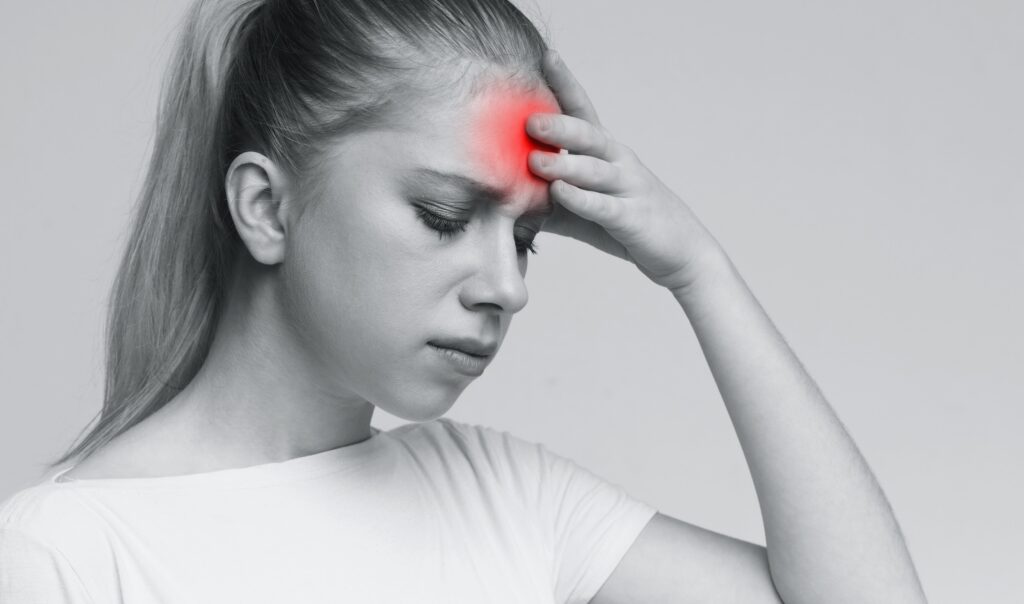
The Task Force on Dancer Health defines a concussion as “a mild traumatic brain injury caused by a bump, blow, or jolt to the head, face, neck, or elsewhere on the body where forces travel to the brain.” Any dance style can lead to concussion, especially those that emphasize partnering and acrobatics, and a performer doesn’t need to lose consciousness or experience a direct hit to the head. Symptoms include, but are not limited to, headache, nausea, balance problems, sensitivity to light and noise, confusion, and memory issues.
Because symptoms can appear days after concussion, Hutter recommends stopping dance immediately after a blow to the head. “It is important that whenever there is the suspicion of a head injury that the dancer removes themselves from activity and seeks medical treatment,” she says.
Communicating With Directors
Without a standardized approach to addressing head injuries, communication between dancers and artistic leadership can be unreliable, Hutter notes. Aspects of dance culture may discourage dancers from reporting injuries, particularly for non-visible injuries such as a concussion. “Dancers might feel like, ‘I’m aware of these symptoms, but I can still dance through it,’ ” says Hutter. “[But] they’re risking their health and worsening symptoms by not taking the required rest that they need.”
Concerns about casting, performance obligations, misinformation regarding concussion, and differing professional perspectives between artistic leadership and medical teams can contribute to delayed reporting and care, increasing the risk of prolonged symptoms and complications.
The decision to gradually return to dance following a concussion needs to be cleared by the medical team evaluating the head injury, Hutter says. “If there’s a clear written policy understood by all, then the dancer’s pressure to be cast and the director’s pressure to cast them becomes irrelevant,” says Hutter.
Returning From Injury
“Recovery [from a concussion] is different for every single dancer,” according to Hutter. The Task Force on Dancer Health provides a step-by-step protocol for returning to dance that should be discussed with a medical team and taken at one’s own pace. Beginning with minimal physical activity, it advances to light aerobic exercise followed by moderate activity, such as technique class with some jumps, but no turns or partnering. If symptoms remain manageable, dancers can attend full technique classes, start to partner again, and return to performance with medical clearance. The Task Force made sure to keep dance-specific factors in mind when building this framework, says Hutter. “Think of going into a rehearsal with loud music. That would exacerbate concussion symptoms,” she says. “We can’t just borrow what the sports world has done. We need to create our own outline.”
The Future of Concussion Treatment in Dancers
Hutter and her colleagues stress the importance of collaboration between dancers, artistic leadership, and health-care providers in concussion management. (She recommends companies keep a list of “dance-informed” local medical providers who understand the unique challenges of the healing process for dancers.) When all three parties are informed about concussions in dancers, the most supportive recovery plan can be created. “We are empowering all those people to have a shared language,” she says.
The post What Dancers, Teachers, and Directors Need to Know About Concussions appeared first on Pointe Magazine.